Get Basement Soundproofing
Basement soundproofing services help property owners reduce noise transfer and improve privacy through various projects like wall, ceiling, and floor insulation with local contractors.
Basement soundproofing services are a practical solution for property owners looking to reduce noise transfer between levels or neighboring units. Whether you're aiming to create a quieter living space, enhance privacy, or improve the overall comfort of your home or commercial property, exploring local contractors who specialize in basement soundproofing can provide valuable options. Planning such projects involves understanding different methods and materials available, making it helpful to compare local service providers who can customize solutions to meet specific needs.
Property owners in the area often consider basement soundproofing to address common concerns like noise from entertainment areas, home offices, or rental units. By connecting with experienced local contractors, those interested in this work can gain insights into effective strategies and select service providers equipped to handle the job efficiently. Continuing to explore your options can ensure that you find the right fit for your project, helping to create a more peaceful and private basement environment.
- Basement Soundproofing - homeowners seeking to reduce noise transfer between floors may need this service.
- Home Theater Room Soundproofing - those building or upgrading a dedicated media room might require soundproofing solutions.
- Apartment or Condo Basement Soundproofing - residents in multi-unit buildings aiming to minimize neighbor disturbances can benefit from local contractors.
- Renovation or Finishing Projects - individuals transforming unfinished basements into living spaces often look for soundproofing options.
- Noise Reduction for Home Offices - remote workers needing a quieter environment may seek basement soundproofing services.
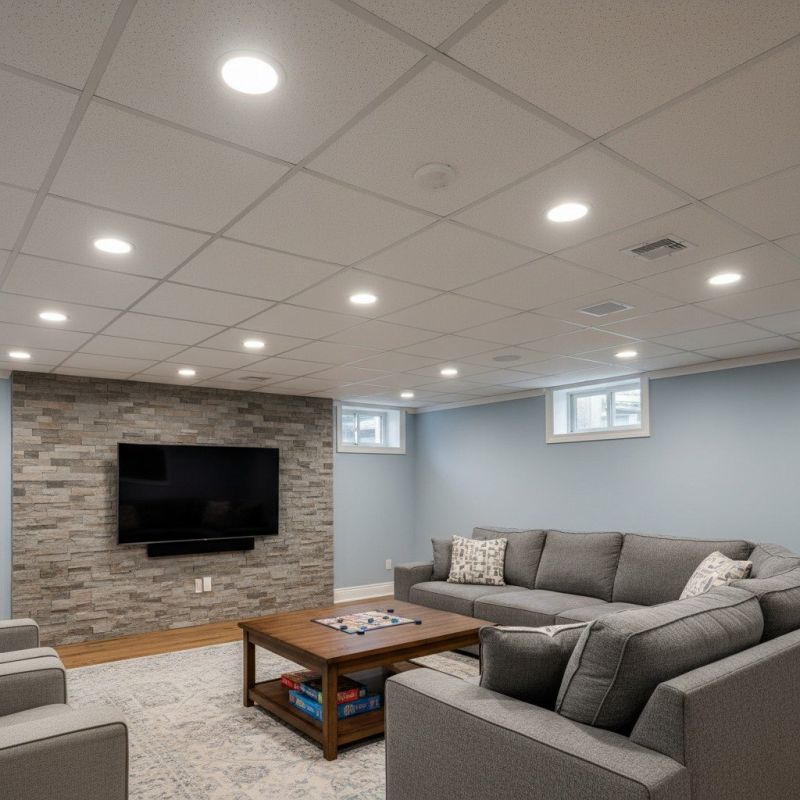
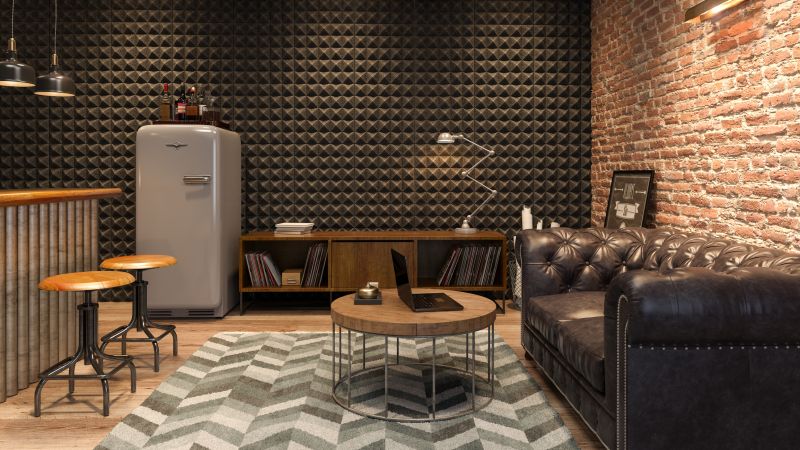
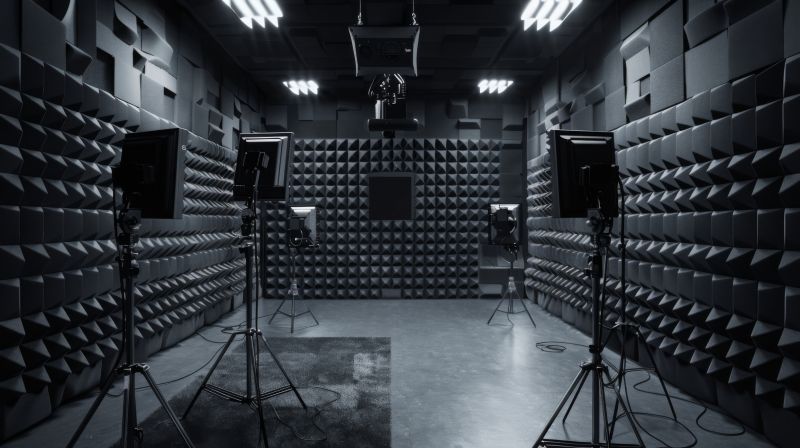
Basement soundproofing services involve installing specialized materials and systems designed to reduce noise transmission between the basement and the upper levels of a home. This process typically includes adding insulation, sealing gaps, and installing sound-dampening panels or drywall to create a barrier that minimizes sound transfer. The goal is to make spaces more peaceful and private, whether the basement is used as a living area, home theater, or workspace. These services help homeowners enjoy quieter surroundings and prevent noise from disturbing other parts of the house or neighboring properties.
Many common problems lead homeowners to seek basement soundproofing. Excessive noise from activities such as watching television, playing musical instruments, or working out can disrupt daily routines and family harmony. Additionally, noise from a basement can travel upstairs, affecting bedrooms or other quiet zones. In some cases, external noise from nearby streets or neighbors may also be a concern. Soundproofing can address these issues by significantly reducing the amount of sound that escapes or enters the basement, creating a more comfortable living environment.
Basement soundproofing services are often used in a variety of property types, including single-family homes, duplexes, and multi-unit buildings. Homeowners who have finished or unfinished basements may consider soundproofing to improve the usability of their space or to meet specific privacy needs. It is especially popular in homes where the basement serves as a media room, home office, gym, or guest suite. Commercial properties with basement spaces, such as small offices or rental units, may also benefit from soundproofing to meet tenant or client expectations for noise control.
Homeowners typically turn to local contractors for basement soundproofing when they notice noise issues that interfere with daily life or when planning renovations to enhance comfort. It is a practical solution for reducing noise disturbances without needing major structural changes. Service providers can assess the specific needs of each property and recommend appropriate soundproofing methods. Contacting experienced local pros can help identify the most effective options to improve sound insulation, making basement spaces more functional and enjoyable.
The overview below groups typical Basement Soundproofing projects into broad ranges so you can see how smaller, mid-sized, and larger jobs often compare in your area.
In many markets, a large share of routine jobs stays in the lower and middle ranges, while only a smaller percentage of projects moves into the highest bands when the work is more complex or site conditions are harder than average.
Smaller Repairs - Typical costs for minor soundproofing repairs in basements range from $250 to $600. Many routine jobs fall within this middle range, depending on the scope of work and materials used.
Partial Wall Insulation - Installing soundproofing on sections of basement walls usually costs between $600 and $1,500. Larger, more complex projects can reach $2,500 or more, but most projects stay within the lower to mid-range estimates.
Full Basement Soundproofing - Complete soundproofing of an entire basement can cost from $2,000 to $6,000 or higher. Many homeowners find that the majority of projects land in the $3,000 to $4,500 range, with fewer reaching the upper tiers.
Full Replacement or Custom Solutions - Extensive or customized soundproofing projects, including full wall and ceiling replacements, can exceed $6,000 and may reach $10,000+ for very large or complex jobs. These are less common and typically reserved for high-end or specialized installations.
Actual totals will depend on details like access to the work area, the scope of the project, and the materials selected, so use these as general starting points rather than exact figures.
Home Theater Room Installation - this project involves soundproofing techniques similar to basement soundproofing to prevent noise transfer and enhance audio quality.
Music Studio Soundproofing - local contractors can apply acoustic treatments and soundproof barriers comparable to basement soundproofing to create a quiet recording environment.
Apartment Noise Reduction - professionals use soundproofing materials and planning strategies akin to basement projects to minimize noise between units.
Commercial Office Soundproofing - this type of work involves installing barriers and insulation that share skills with basement soundproofing to improve privacy and reduce noise pollution.
Home Recording Studio Construction - similar skills in wall treatment, insulation, and soundproof barrier installation are used to create isolated recording spaces.
Garage Soundproofing - local service providers can utilize comparable techniques and materials to reduce noise transmission from garages to living spaces.
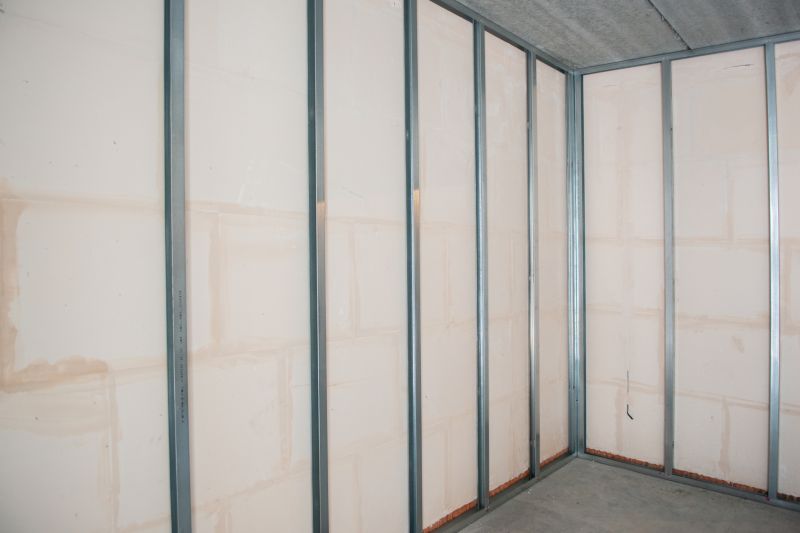
When evaluating contractors for basement soundproofing, it’s important to consider their experience with similar projects. Homeowners should look for local service providers who have a proven track record of handling basement soundproofing or related acoustic improvements. Asking about past work can help determine whether a contractor understands the specific challenges involved and has the skills necessary to deliver effective results. An experienced contractor is more likely to be familiar with the best materials and techniques to reduce noise transfer and improve overall sound quality within a basement space.
Clear, written expectations are essential when selecting a service provider for basement soundproofing. Homeowners should seek out local contractors who provide detailed estimates and scope of work documents. These should outline what will be done, the materials to be used, and the expected outcomes. Having this information in writing helps prevent misunderstandings and ensures that both parties are aligned on the project’s goals. Well-documented expectations also serve as a reference point throughout the process, making it easier to address any questions or concerns that may arise.
Reputable references and good communication are key factors in choosing a reliable local contractor. Homeowners can ask for references from previous clients who had similar soundproofing projects to gauge the quality of work and professionalism. Additionally, responsive and clear communication from the service provider indicates their ability to listen, understand the homeowner’s needs, and provide guidance throughout the project. Since the site introduces homeowners to local options but does not perform the work itself, it’s important to connect with service providers who prioritize transparency, responsiveness, and a professional approach to ensure a smooth and satisfactory basement soundproofing experience.
Property owners use Basement Soundproofing services for practical projects around their homes and businesses. This guide focuses on everyday jobs and straightforward project options.
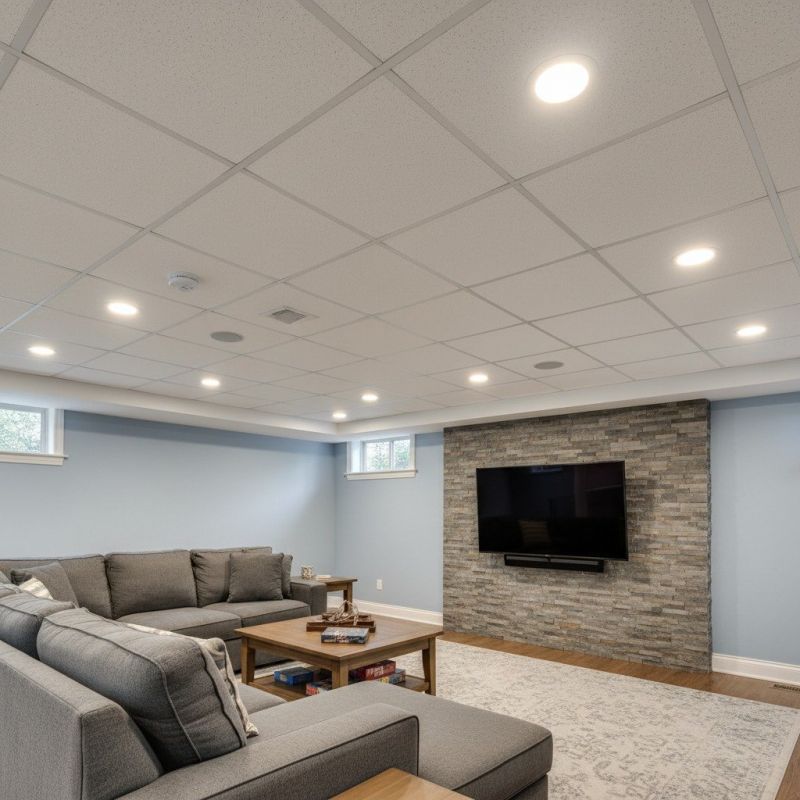
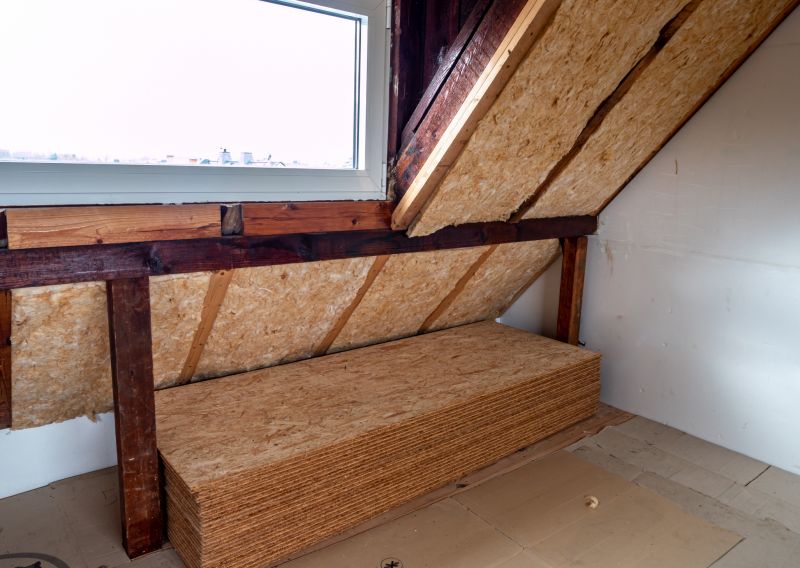
Basement soundproofing services are often sought by property owners dealing with noise issues from adjacent rooms, upstairs neighbors, or external sources. Whether someone is trying to create a quieter home environment, a dedicated entertainment space, or a home office, local contractors can help improve sound insulation. These projects can also be relevant for homeowners preparing their basement for rental use or seeking to reduce disturbances for family members, making soundproofing a practical solution for various everyday situations.
Many property owners look for basement soundproofing when renovating or finishing their basement to enhance privacy and comfort. Local service providers can assist with installing sound-absorbing materials, sealing gaps, or adding insulation to minimize sound transmission. This work can be an effective way to make a basement more functional and peaceful, especially in homes where noise from the lower level impacts the rest of the property.
What is basement soundproofing? Basement soundproofing involves installing materials and structures to reduce noise transmission between the basement and upper levels or neighboring spaces.
How do local contractors typically soundproof a basement? Contractors may use techniques such as adding insulation, sealing gaps, installing soundproof drywall, and using resilient channels to minimize noise transfer.
Can soundproofing improve privacy in my basement? Yes, soundproofing can help increase privacy by decreasing the amount of sound that escapes or enters the basement area.
Are there different methods for soundproofing basement floors and ceilings? Yes, different methods are used for floors and ceilings, including floating floors, acoustic mats, and specialized ceiling assemblies to effectively reduce noise.
How can I find local service providers for basement soundproofing? You can contact local contractors or service providers who specialize in soundproofing to compare options and find solutions suited to your needs.
Reduce Noise Between Floors - Basement soundproofing can help minimize footstep and activity noise between levels, creating a quieter living space.
Improve Home Theater Experience - Proper soundproofing can enhance audio quality for home theaters by preventing sound from disturbing other rooms.
Create a Quiet Workspace - Soundproofing a basement can turn it into a peaceful area for work or study, free from household distractions.
Block External Noise - Contractors can install soundproofing to reduce street or neighborhood sounds from entering basement spaces.
If you are thinking about Basement Soundproofing for a property, this guide is meant to help you understand the work, the typical project types, and how different options might fit your plans.
When you are ready, you can use the quote form on this page to share a few details about your project. From there, local pros can review the basics and respond with options that match what you have in mind.